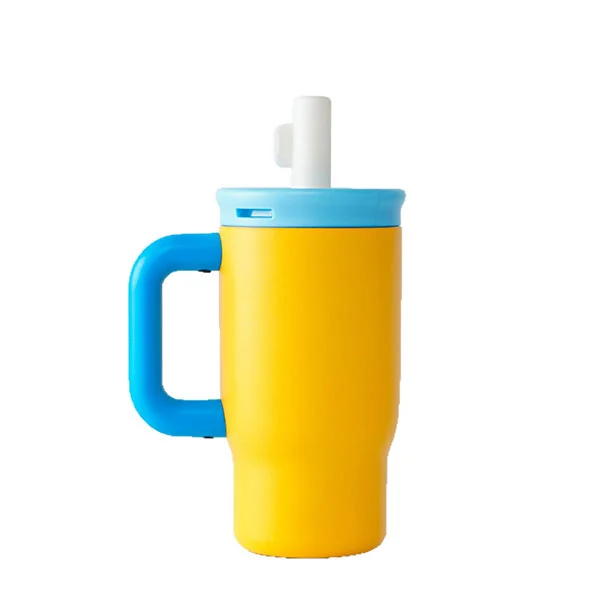
An auto mug with handle and straw is designed to make everyday hydration more convenient, whether users are commuting, working, traveling, exercising, or spending time outdoors. By combining a comfortable carrying handle, an accessible straw, and a practical insulated body, this drinkware style addresses common problems associated with traditional cups and bottles. However, choosing the right mug involves more than appearance. Capacity, insulation performance, material safety, leak resistance, straw design, lid construction, cleaning convenience, and long-term durability all influence the overall user experience. This guide explores the essential features, common purchasing concerns, practical applications, and quality considerations that buyers should understand before selecting an auto mug with handle and straw.
01 / EVERYDAY CONVENIENCE
Why Is an Auto Mug with Handle and Straw Becoming a Daily Essential?
Modern consumers increasingly expect drinkware to do more than simply hold beverages. A practical mug should fit naturally into busy routines, remain comfortable to carry, provide easy access to drinks, and reduce unnecessary inconvenience. An auto mug with handle and straw combines several useful features into one versatile product.
Traditional drinking cups often require users to lift and tilt the entire container. This can become inconvenient while driving, working at a desk, walking, or multitasking. A straw-based drinking design provides a more accessible alternative, allowing users to take small sips without repeatedly removing a conventional lid.
The integrated handle addresses another everyday problem: carrying a relatively large drink container. Instead of gripping a smooth cylindrical body, users can hold the mug through a dedicated handle. This can improve handling comfort, particularly when the container is filled to a larger capacity.
The main purchasing advantage: Buyers can combine convenient drinking, comfortable carrying, and practical beverage storage in one product rather than relying on several separate accessories.
For consumers, this combination supports a more convenient hydration routine. For retailers, distributors, and promotional product buyers, it creates an attractive drinkware category with broad application potential.
02 / PRODUCT DESIGN
What Makes Its Design Practical?
The overall value of an auto mug depends on how effectively its components work together. A visually attractive design is important, but the product must also be comfortable, stable, functional, and easy to maintain.
Ergonomic Handle Construction
The handle should provide enough space for a comfortable grip without making the mug unnecessarily bulky. Its shape, thickness, attachment points, and surface finish all influence carrying comfort. A well-designed handle should feel stable when the mug is full and should not have sharp edges that cause discomfort.
Convenient Straw Access
A properly designed straw opening makes drinking easier during daily activities. The straw should be appropriately positioned and compatible with the lid. Buyers should also consider whether the straw can be removed for cleaning and whether replacement parts are available.
Functional Lid Structure
The lid connects several important functions, including straw access, beverage protection, and spill control. A secure locking or sealing mechanism can help reduce accidental spills during ordinary handling. Buyers should check the lid's compatibility with the mug body and the quality of its sealing components.
Stable Base and Body Proportions
A stable base helps prevent the mug from tipping over on desks and other flat surfaces. The body should also have proportions that balance capacity, portability, and handling comfort.
Comfort
An ergonomic handle and practical body shape make the mug easier to carry throughout the day.
Accessibility
A convenient straw opening allows users to drink without constantly removing the lid.
Protection
A properly fitted lid and suitable sealing structure help protect beverages during daily use.
Durability
Reliable materials and strong component connections support long-term product performance.
03 / MATERIAL SELECTION
Which Materials Matter for Daily Use?
Material selection influences the mug's weight, appearance, durability, maintenance requirements, and beverage-contact suitability. Buyers should evaluate the materials used in the body, lid, straw, handle, and sealing components rather than focusing on the main container alone.
Stainless Steel
Stainless steel is widely used in insulated drinkware because of its durability and resistance to corrosion when an appropriate grade and finish are selected. Double-wall stainless steel construction can help reduce heat transfer between the beverage and surrounding environment.
For buyers seeking reusable drinkware, stainless steel offers a combination of strength, a refined appearance, and practical long-term use. The specific steel grade, interior finish, and manufacturing quality should be confirmed with the supplier.
Food-Contact Plastic
Plastic is commonly used in lids, handles, and certain straw components. It can help reduce product weight and allows manufacturers to create different shapes and colors. Buyers should confirm that the selected material is suitable for its intended food-contact application and complies with the regulations applicable to the target market.
Silicone Sealing Components
Silicone rings and gaskets can improve the connection between the lid and mug body. Their quality, dimensions, and correct installation are important for effective sealing. A poorly fitted gasket may cause leakage even when the main container is manufactured to a high standard.
Component
Common Material
Important Considerations
Mug body
Stainless steel
Corrosion resistance, durability, and insulation construction
Lid
Food-contact plastic
Fit, structural strength, and material suitability
Straw
Plastic or silicone
Drinking comfort, flexibility, and cleaning convenience
Sealing ring
Silicone
Fit, elasticity, and sealing performance
Handle
Integrated or attached structural material
Grip comfort, strength, and connection reliability
Regardless of the material combination, buyers should request relevant material specifications and food-contact compliance documentation. Product claims should always match the actual materials and test results.
04 / TEMPERATURE PERFORMANCE
How Does Insulation Affect Drinking Performance?
For consumers who enjoy coffee, tea, cold water, or other beverages throughout the day, temperature retention can be an important purchasing consideration.
Many insulated auto mugs use a double-wall structure. In suitable vacuum-insulated designs, the space between the inner and outer walls helps reduce heat transfer. This construction can help maintain beverage temperatures longer than a comparable single-wall container.
Hot Beverage Performance
For hot drinks, insulation helps slow heat loss to the surrounding environment. This can make a mug useful during office hours, commuting, and other activities where immediate consumption is not always possible.
Cold Beverage Performance
For cold drinks, suitable insulation helps slow warming caused by external heat. It may also reduce condensation on the outside of the mug, depending on the design and environmental conditions.
What Influences Temperature Retention?
Wall construction: Double-wall and vacuum-insulated structures offer different levels of thermal performance.
Lid design: Openings around the straw and lid can influence heat exchange.
Initial beverage temperature: The starting temperature affects the final performance.
Ambient conditions: Surrounding temperature can influence beverage cooling or warming.
Usage frequency: Repeatedly opening the lid may affect temperature retention.
Buyer tip: Do not rely on general insulation claims alone. Ask manufacturers for the testing method, testing conditions, and measured temperature-retention results for the specific product model.
05 / USER EXPERIENCE
Why Do the Handle and Straw Matter?
Although they may appear to be simple accessories, the handle and straw directly influence the everyday usability of an auto mug.
The Handle Improves Carrying Convenience
A large-capacity mug can become relatively heavy when filled with water or other beverages. An appropriately designed handle gives users a more convenient way to carry the container. It can also make the mug easier to pick up from a desk, countertop, or vehicle cup holder area.
For product buyers, handle dimensions deserve attention. A handle that is too narrow may feel uncomfortable, while one that is excessively large can increase the overall product footprint. The ideal design should balance grip space, strength, and portability.
The Straw Supports Accessible Drinking
A straw makes it possible to sip without tilting the mug. This can be useful when working at a computer, reading, relaxing, or engaging in activities that require frequent attention to other tasks.
Straw diameter and length should match the intended beverage types and mug dimensions. The connection with the lid should also be secure enough to prevent the straw from becoming loose during normal use.
Important Safety Considerations
Straw-based drinkware should be used responsibly. Very hot beverages can cause burns, and users should follow the manufacturer's instructions regarding beverage temperature and straw compatibility. A straw lid should not automatically be assumed to provide pressure-tight or leakproof performance.
06 / SPILL CONTROL
How Can Buyers Evaluate Leak Resistance?
Leakage is one of the most frustrating problems associated with reusable drinkware. Even a visually attractive mug may disappoint users if liquid escapes around the lid, straw opening, or sealing ring.
For this reason, buyers should assess the entire sealing system rather than focusing on a single component.
Check the Lid-to-Body Connection
The lid should fit the mug body correctly. Depending on the design, the connection may use threads, a locking mechanism, or another fastening structure. Buyers should inspect whether the lid can be installed consistently and whether it remains secure during normal handling.
Inspect the Silicone Gasket
The gasket should fit properly into its designated position without twisting, stretching excessively, or becoming displaced. Its material properties and dimensions can affect sealing performance.
Evaluate the Straw Opening
Some straw lids are designed primarily for convenient sipping rather than completely sealed transport. Buyers should confirm whether the straw opening has a dedicated sealing feature and understand the manufacturer's stated limitations.
Request Practical Leakage Tests
Before placing a large order, buyers can request evidence of leakage testing under defined conditions. Useful evaluation points include:
Whether the lid remains properly attached after repeated opening and closing.
Whether the gasket maintains its position during ordinary use.
Whether liquid escapes around the straw opening.
Whether the mug can tolerate normal carrying and handling movements.
Whether the test results are consistent across production samples.
Important distinction: Spill-resistant, leak-resistant, and fully leakproof are not interchangeable descriptions. Buyers should confirm the exact performance level and recommended carrying position before using these claims in product listings.
07 / CAPACITY SELECTION
How Should You Choose the Right Capacity?
Capacity affects how frequently users need to refill their mugs, as well as the overall product size and weight. The best choice depends on drinking habits, intended applications, and storage requirements.
Capacity Range
Potential Application
Buying Consideration
300–450 ml
Short outings and smaller servings
Compact size and lighter carrying weight
450–600 ml
Office use and daily commuting
Balance between capacity and portability
600–900 ml
Long working hours and extended activities
Higher capacity with increased filled weight
900 ml and above
Extended hydration needs and selected outdoor uses
Overall dimensions, grip comfort, and storage compatibility
These ranges are general purchasing references rather than fixed industry classifications. Actual available capacities vary by manufacturer and product design.
Consider Vehicle Cup Holder Compatibility
Since the product is described as an auto mug, vehicle compatibility may be particularly important. A large mug may not fit standard cup holders, even when its overall design is suitable for driving-related use.
Buyers should check the bottom diameter, body dimensions, handle position, and total height. If the mug is intended for vehicle use, the handle should not interfere with placement or removal from the cup holder.
Consider Filled Weight
Capacity alone does not determine convenience. The weight of the empty mug, combined with the beverage weight, can influence handling comfort. This is especially important for products intended for frequent carrying.
08 / APPLICATION SCENARIOS
Where Can This Mug Be Used?
The combination of a handle, straw, and practical beverage container makes this product suitable for various everyday environments. Its suitability depends on the exact lid design, dimensions, material specifications, and insulation performance.
Office and Home
At a desk or home workstation, users can keep their preferred beverages nearby and take convenient sips throughout the day. A comfortable handle makes the mug easy to move between rooms or work areas.
Commuting and Vehicle Use
For commuters, an appropriately sized mug may provide a convenient way to carry beverages. However, users should secure the container properly and avoid drinking in ways that distract from driving. A straw does not eliminate driving-related safety risks.
Travel and Outdoor Activities
For short trips, walks, and outdoor leisure activities, the handle can simplify carrying. Buyers should pay attention to product weight, lid security, and the manufacturer's recommended carrying position.
Fitness and Daily Hydration
For suitable non-strenuous activities, a straw-based mug can make drinking water more accessible. The actual product should be selected according to the user's activity, capacity needs, and cleaning preferences.
Promotional Gifts and Retail Products
Auto mugs with handles and straws can also serve as promotional gifts, branded merchandise, and retail drinkware. Custom colors, logo printing, packaging, and product finishes may help businesses create a consistent brand presentation.
09 / PRODUCT COMPARISON
How Does It Compare with Traditional Drinkware?
Different drinkware products are designed for different situations. Understanding their practical differences can help consumers and wholesale buyers choose the most appropriate product category.
Feature
Auto Mug with Handle and Straw
Traditional Water Bottle
Standard Coffee Mug
Carrying handle
Usually included
Model-dependent
Usually included
Straw drinking
Common feature
Model-dependent
Usually unavailable
Insulation
Model-dependent
Often available
Usually limited
Large capacity
Available in selected models
Available
Less common
Desk use
Suitable
Suitable
Suitable
Vehicle compatibility
Depends on dimensions
Depends on dimensions
Generally less convenient
The auto mug with handle and straw offers a combination of features that may appeal to users who prioritize accessible drinking and comfortable handling. However, it is not automatically superior to every traditional bottle or cup. The best option depends on the intended application.
10 / CLEANING AND MAINTENANCE
How Can Users Keep Their Mug Clean?
Regular cleaning is essential for reusable drinkware. Residue can accumulate around the lid, straw, gasket, and other components, particularly when users frequently drink coffee, tea, milk-based beverages, or flavored drinks.
Clean the Main Container
After use, empty the remaining beverage and wash the interior according to the manufacturer's care instructions. Use a suitable cleaning tool that can reach the bottom and inner walls without damaging the surface finish.
Remove and Clean the Straw
If the straw is removable, separate it from the lid and clean its internal passage using an appropriately sized straw brush. Rinse thoroughly to remove detergent and beverage residue.
Inspect the Lid and Gasket
Remove detachable sealing components when the product instructions permit. Clean the grooves and contact surfaces where residue may collect. Allow all parts to dry thoroughly before reassembly.
Check for Wear and Damage
Inspect the straw, gasket, lid, and handle periodically. Replace worn or damaged components with compatible parts when available. A cracked lid or deteriorated seal may affect product performance.
Maintenance reminder: Not every mug or lid is dishwasher-safe. Always follow the manufacturer's instructions, especially for vacuum-insulated bodies, printed surfaces, plastic lids, and silicone accessories.
Recommended Daily Cleaning Routine
Empty the mug after use.
Disassemble removable components according to the product instructions.
Wash the body, lid, straw, and sealing parts with suitable cleaning tools.
Rinse thoroughly with clean water.
Allow components to dry completely before reassembly.
Store the mug in a clean, dry place.
11 / QUALITY ASSURANCE
What Should Buyers Check Before Ordering?
For wholesalers, importers, retailers, and private-label businesses, product selection should involve more than comparing quotations. A reliable purchasing decision requires attention to specifications, sample quality, production consistency, and supplier communication.
1. Confirm Product Specifications
Request detailed information about the product's capacity, dimensions, weight, materials, insulation construction, lid type, straw material, and available colors. Clear specifications reduce misunderstandings between buyers and manufacturers.
2. Evaluate Sample Quality
Samples allow buyers to examine the actual product before committing to larger quantities. Pay attention to the surface finish, lid fit, handle strength, straw installation, and overall appearance.
3. Ask About Production Quality Control
Manufacturers should be able to explain their quality inspection procedures. Depending on the product, relevant checks may include dimensional inspection, appearance inspection, sealing tests, and insulation performance testing.
4. Verify Material and Compliance Documentation
For international distribution, confirm that the materials and finished product meet the applicable requirements of the destination market. Ask for relevant test reports, declarations, or certifications where applicable, and verify their scope and validity.
5. Discuss Customization Options
Businesses developing private-label products may need customized colors, logo printing, packaging, or other design adjustments. Confirm available processes, minimum order quantities, sample charges, production lead times, and artwork requirements before ordering.
6. Confirm Packaging and Shipping Details
Packaging should protect the mug and its accessories during transportation. Buyers should also clarify carton dimensions, packing quantities, labeling requirements, shipping terms, and delivery arrangements.
Purchasing Item
Questions to Ask the Supplier
Product specifications
What are the exact dimensions, capacity, and material details?
Insulation
What construction is used, and are test results available?
Leak resistance
What sealing structure and test conditions are used?
Customization
Can the product support custom colors, logos, and packaging?
MOQ
What is the minimum order quantity for standard and customized products?
Delivery
What are the production lead time and shipping arrangements?
12 / MANUFACTURING PARTNER
Why Does Choosing the Right Manufacturer Matter?
Product quality, customization flexibility, and supply reliability all depend on the manufacturer's capabilities. For businesses purchasing auto mugs with handles and straws in bulk, a capable manufacturing partner can help reduce communication difficulties and improve order consistency.
Yongkang Jiangzhi Cup Industry Co., Ltd. is the brand name buyers can use when discussing drinkware product sourcing and manufacturing requirements. When evaluating a potential supplier, buyers should focus on verifiable product specifications, sample quality, manufacturing arrangements, and the supplier's ability to meet their purchasing needs.
What Makes a Manufacturing Partner Valuable?
Product knowledge: Clear explanations of materials, construction, and functional features.
Customization communication: Practical discussions about colors, logos, and packaging requirements.
Quality consistency: Defined inspection procedures and attention to production details.
Order coordination: Clear information about MOQ, production schedules, and delivery arrangements.
Responsive service: Timely answers to technical and purchasing questions.
Before establishing a long-term business relationship, buyers should independently review samples, specifications, documentation, and commercial terms. Transparent communication helps both parties understand expectations and develop a more reliable purchasing process.
13 / COMMON QUESTIONS
Frequently Asked Questions About Auto Mugs with Handles and Straws
1. What is an auto mug with handle and straw?
An auto mug with handle and straw is a reusable drinking container that combines a carrying handle with a straw-compatible lid. Depending on the model, it may also feature a stainless steel body, double-wall construction, or vacuum insulation.
2. Is an auto mug with handle and straw suitable for hot drinks?
Some models are designed for hot beverages, but suitability depends on the manufacturer's specifications, lid design, and straw material. Users should follow the recommended temperature limits and take precautions against burns.
3. Can an auto mug with a straw prevent leakage?
Leak resistance depends on the lid structure, gasket, straw opening, and overall manufacturing quality. Some models are designed for spill resistance, while others are intended primarily for upright drinking. Buyers should confirm the specific performance claims before purchasing.
4. Are stainless steel auto mugs durable?
Stainless steel bodies can offer good durability and corrosion resistance when manufactured with suitable materials and processes. Actual service life also depends on construction quality, handling, and maintenance.
5. How do I clean the straw inside the mug?
If the straw is removable, take it out according to the manufacturer's instructions and clean the inside with a suitable straw brush. Rinse thoroughly and allow it to dry before reinstalling it.
6. Can I put an auto mug with handle and straw in a dishwasher?
Not all models are dishwasher-safe. The body, lid, straw, and sealing components may have different cleaning requirements. Always check the manufacturer's instructions before using a dishwasher.
7. What capacity should I choose for daily use?
A medium-capacity model may provide a practical balance between beverage volume and portability. Users who need fewer refills may prefer larger models, but should also consider filled weight, dimensions, and cup holder compatibility.
8. Can auto mugs with handles and straws be customized?
Customization options vary by manufacturer. Potential options include body colors, logo printing, surface finishes, packaging, and selected component designs. Buyers should confirm available options and minimum order quantities.
9. What should wholesale buyers request before placing an order?
Wholesale buyers should request product specifications, samples, material information, applicable compliance documents, customization details, MOQ, production lead time, packaging information, and shipping terms.
10. How can I evaluate the quality of an auto mug manufacturer?
Review the manufacturer's product samples, material specifications, quality inspection procedures, customization capabilities, communication efficiency, and ability to provide consistent production information. Independent verification is recommended before large orders.
Looking for a Reliable Auto Mug with Handle and Straw?
Choosing the right drinkware product is an important step toward meeting customer expectations and building a competitive product range. Whether you are a wholesaler, importer, distributor, retailer, or private-label buyer, understanding product specifications and manufacturing requirements can help you make a more confident purchasing decision.
We use cookies to offer you a better browsing experience, analyze site traffic and personalize content. By using this site, you agree to our use of cookies.
Privacy Policy