
- English
- lugha ya Kiswahili
- Bosanski
- Hawaiian
- Sundanese
- Español
- Português
- русский
- Français
- 日本語
- Deutsch
- tiếng Việt
- Italiano
- Nederlands
- ภาษาไทย
- Polski
- 한국어
- Svenska
- magyar
- Malay
- বাংলা ভাষার
- Dansk
- Suomi
- हिन्दी
- Pilipino
- Türkçe
- Gaeilge
- العربية
- Indonesia
- Norsk
- český
- ελληνικά
- український
- Javanese
- فارسی
- தமிழ்
- తెలుగు
- नेपाली
- Burmese
- български
- ລາວ
- Latine
- Қазақша
- Euskal
- Slovenský jazyk
- Македонски
- Lietuvos
- Eesti Keel
- Română
- Slovenski
- Srpski језик

How to Choose the Best Stainless Steel Taper Flask for Durability and Performance?
Article Summary
A stainless steel taper flask is a versatile and durable solution for storing and transporting liquids in industrial, laboratory, and outdoor environments. However, many buyers struggle with selecting the right material grade, insulation type, and structural design. This article provides a comprehensive guide to understanding how stainless steel taper flasks work, their advantages, key specifications, and how to choose the ideal product based on your application needs. Whether you are sourcing for industrial use or commercial distribution, this guide will help you make an informed decision.
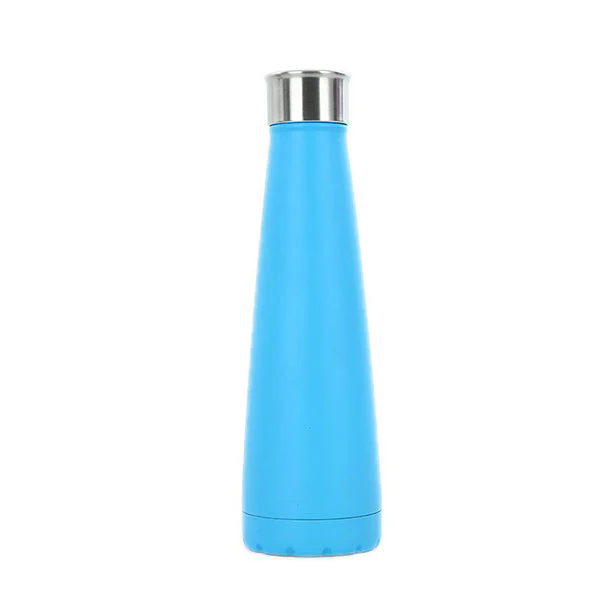
Table of Contents
- 1. What Is a Stainless Steel Taper Flask?
- 2. How Does a Stainless Steel Taper Flask Work?
- 3. Common Customer Pain Points
- 4. Key Features and Technical Specifications
- 5. Advantages Over Other Materials
- 6. How to Choose the Right Taper Flask
- 7. Application Scenarios
- 8. Maintenance and Usage Tips
- 9. Frequently Asked Questions
- 10. Conclusion
1. What Is a Stainless Steel Taper Flask?
A stainless steel taper flask is a specially designed container with a tapered body structure that allows for easy handling, pouring, and storage. Unlike standard cylindrical containers, the tapered design improves ergonomics and space efficiency.
These flasks are typically manufactured using high-grade stainless steel, ensuring resistance to corrosion, temperature variation, and mechanical stress. They are widely used in laboratories, food processing, chemical handling, and outdoor applications.
2. How Does a Stainless Steel Taper Flask Work?
The functionality of a stainless steel taper flask is based on its material composition and structural design. The tapered shape allows for controlled liquid flow, while the stainless steel body provides durability and thermal resistance.
- Double-wall insulation (optional) maintains temperature
- Sealed lids prevent leakage and contamination
- Smooth inner surfaces ensure easy cleaning
- Reinforced structure improves longevity
Advanced designs may include vacuum insulation or specialized coatings for enhanced performance in extreme conditions.
3. Common Customer Pain Points
Customers often encounter several challenges when selecting or using taper flasks. Understanding these issues helps in making better purchasing decisions.
- Material Quality Concerns: Low-grade steel may rust or degrade
- Leakage Issues: Poor sealing leads to liquid loss
- Temperature Retention: Inadequate insulation affects performance
- Durability: Weak construction results in short lifespan
- Cleaning Difficulty: Poor internal finishing traps residues
Brands like Kudike focus on addressing these concerns by offering precision-engineered products with consistent quality control.
4. Key Features and Technical Specifications
| Feature | Description |
| Material Grade | 304 or 316 stainless steel for corrosion resistance |
| Capacity | Available in multiple sizes (e.g., 250ml to 2000ml) |
| Insulation | Single-wall or double-wall vacuum insulation |
| Surface Finish | Polished or brushed interior for hygiene |
| Leak-Proof Design | Secure lid with sealing gasket |
| Temperature Resistance | Suitable for both hot and cold liquids |
| Weight | Lightweight yet structurally strong |
5. Advantages Over Other Materials
Compared to plastic or glass alternatives, stainless steel taper flasks offer several significant benefits.
- Durability: Resistant to breakage and deformation
- Corrosion Resistance: Ideal for harsh environments
- Safety: Non-toxic and food-grade options available
- Temperature Stability: Maintains liquid conditions effectively
- Eco-Friendly: Reusable and recyclable
These advantages make stainless steel the preferred choice for both industrial and consumer applications.
6. How to Choose the Right Taper Flask
Selecting the right product requires evaluating several factors based on your specific use case.
- Application: Laboratory, food storage, or outdoor use
- Material Grade: Choose 316 for highly corrosive environments
- Capacity Needs: Based on volume requirements
- Insulation Type: Required for temperature-sensitive liquids
- Certifications: Ensure compliance with safety standards
Working with a trusted manufacturer like Kudike ensures access to customizable solutions and reliable performance.
7. Application Scenarios
Stainless steel taper flasks are used across multiple industries due to their versatility.
- Laboratories for chemical and biological samples
- Food and beverage storage and transport
- Outdoor and camping applications
- Industrial liquid handling systems
- Medical and pharmaceutical environments
Their adaptability makes them a valuable tool in both professional and everyday settings.
8. Maintenance and Usage Tips
Proper maintenance ensures optimal performance and extends the lifespan of your flask.
- Clean regularly with mild detergent
- Avoid abrasive cleaning tools
- Store in a dry environment
- Inspect seals and lids periodically
- Avoid overfilling to prevent pressure buildup
Consistent care helps maintain hygiene and functionality over time.
9. Frequently Asked Questions
Q1: Is stainless steel safe for food and beverages?
Yes, high-quality stainless steel such as 304 and 316 is food-grade and safe for storing liquids.
Q2: Can a taper flask keep liquids hot or cold?
Double-wall insulated models can maintain temperature for extended periods, depending on design and conditions.
Q3: How do I prevent leakage?
Ensure the lid is tightly sealed and check the gasket regularly for wear or damage.
Q4: What is the difference between 304 and 316 stainless steel?
316 stainless steel offers higher resistance to corrosion, especially in chemical or saline environments.
10. Conclusion
A stainless steel taper flask is a reliable and efficient solution for liquid storage and transport across various applications. Its durability, safety, and performance make it a superior choice compared to alternative materials.
Kudike is committed to delivering high-quality stainless steel taper flasks designed to meet diverse industry needs with precision and reliability.
If you are looking for a dependable supplier or customized solution, contact us today to discover how our products can support your business and enhance your operational efficiency.