
- English
- lugha ya Kiswahili
- Bosanski
- Hawaiian
- Sundanese
- Español
- Português
- русский
- Français
- 日本語
- Deutsch
- tiếng Việt
- Italiano
- Nederlands
- ภาษาไทย
- Polski
- 한국어
- Svenska
- magyar
- Malay
- বাংলা ভাষার
- Dansk
- Suomi
- हिन्दी
- Pilipino
- Türkçe
- Gaeilge
- العربية
- Indonesia
- Norsk
- český
- ελληνικά
- український
- Javanese
- فارسی
- தமிழ்
- తెలుగు
- नेपाली
- Burmese
- български
- ລາວ
- Latine
- Қазақша
- Euskal
- Slovenský jazyk
- Македонски
- Lietuvos
- Eesti Keel
- Română
- Slovenski
- Srpski језик
How to Choose the Best Titanium Bike Water Bottle for Performance and Durability?
Article Summary: Titanium bike water bottles have become a premium choice for cyclists seeking durability, safety, and performance. This guide explores how to select the right titanium bottle by analyzing key parameters, practical usage scenarios, and common buyer concerns. It also outlines essential features, comparisons, and maintenance tips to help cyclists make informed purchasing decisions.
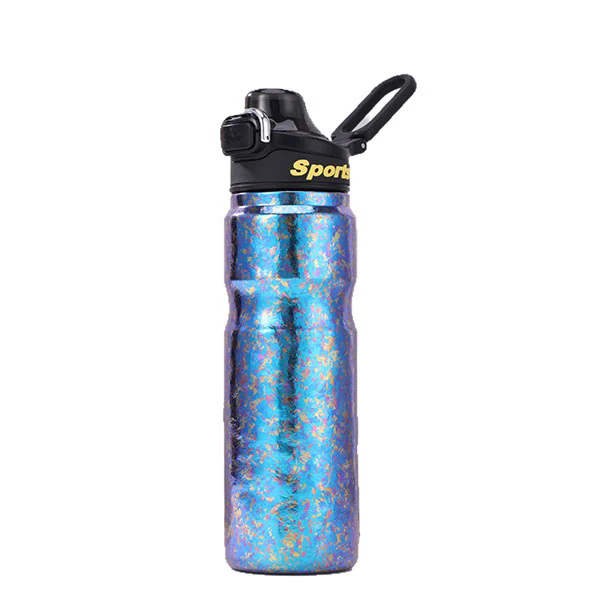
Table of Contents
- Introduction
- Why Choose a Titanium Bike Water Bottle?
- Key Features to Consider
- Product Parameter Comparison
- How to Select Based on Cycling Needs
- Maintenance and Care Tips
- Common Buyer Pain Points Solved
- FAQ
- Conclusion
Introduction
Cycling performance is closely tied to hydration efficiency. While plastic and aluminum bottles dominate the market, titanium bike water bottles are gaining attention due to their superior strength, safety, and longevity. Choosing the right product, however, requires understanding technical specifications, real-world usability, and long-term value.
This guide provides a structured approach to evaluating titanium bike water bottles, helping both professional cyclists and casual riders identify the optimal solution.
Why Choose a Titanium Bike Water Bottle?
Titanium stands out as a material due to its exceptional physical and chemical properties. Compared to conventional materials, it delivers several advantages:
- Corrosion Resistance: Titanium does not react with water, acidic drinks, or environmental conditions.
- Lightweight Strength: High strength-to-weight ratio ensures durability without adding bulk.
- Non-Toxic Material: Free from BPA and harmful coatings.
- Temperature Stability: Maintains beverage temperature better than plastic alternatives.
- Long Lifespan: Resistant to dents, cracks, and wear over time.
Brands such as Kudike are focusing on precision manufacturing to deliver consistent quality in this niche category.
Key Features to Consider
When selecting a titanium bike water bottle, the following parameters must be carefully evaluated:
- Capacity: Typically ranges from 500ml to 1000ml depending on ride duration.
- Weight: Affects cycling efficiency, especially during long-distance rides.
- Wall Thickness: Impacts durability and insulation performance.
- Cap Design: Leak-proof and easy-access caps improve usability during rides.
- Compatibility: Must fit standard bike bottle cages.
- Surface Finish: Matte or polished finishes influence grip and aesthetics.
Product Parameter Comparison
| Parameter | Standard Titanium Bottle | Premium Titanium Bottle |
|---|---|---|
| Capacity | 600ml | 750ml / 900ml |
| Weight | 120g - 150g | 90g - 120g |
| Wall Thickness | 0.5mm | 0.3mm - 0.4mm |
| Cap Type | Screw Cap | Quick-Release / Sports Cap |
| Compatibility | Standard Cage | Universal Cage Fit |
| Surface Finish | Brushed | Matte / Sandblasted |
How to Select Based on Cycling Needs
Different cycling scenarios require different bottle specifications. Understanding your usage environment is critical.
1. Road Cycling
- Lightweight design is essential
- Quick-access cap improves hydration efficiency
2. Mountain Biking
- Higher durability required for rough terrain
- Secure cap prevents leakage during shocks
3. Long-Distance Touring
- Larger capacity reduces refill frequency
- Comfortable grip improves handling
4. Urban Commuting
- Compact size preferred
- Stylish finish adds aesthetic value
Maintenance and Care Tips
Proper maintenance ensures long-term performance and hygiene:
- Rinse with warm water after each use
- Avoid abrasive cleaning tools
- Dry thoroughly before storage
- Do not use strong chemical detergents
- Periodically check cap sealing condition
Titanium requires minimal maintenance compared to other materials, making it a cost-effective long-term investment.
Common Buyer Pain Points Solved
Pain Point 1: Concern About Metallic Taste
Titanium is chemically inert, ensuring no flavor transfer to beverages.
Pain Point 2: Durability Issues with Plastic Bottles
Titanium eliminates cracking, deformation, and UV degradation.
Pain Point 3: Health and Safety Concerns
No harmful coatings or chemical leaching.
Pain Point 4: Environmental Impact
Reusable titanium bottles reduce plastic waste significantly.
Pain Point 5: Weight vs Strength Trade-off
Titanium provides optimal balance between lightweight design and structural integrity.
FAQ
Q1: Is a titanium bike water bottle worth the higher price?
Yes. The durability, safety, and long lifespan justify the initial investment, especially for frequent cyclists.
Q2: Can titanium bottles keep drinks cold or hot?
While not insulated like double-wall bottles, titanium maintains temperature better than plastic due to its material properties.
Q3: Are titanium bottles compatible with all bike cages?
Most designs follow standard dimensions, but checking specifications before purchase is recommended.
Q4: Does titanium require special cleaning?
No. Regular rinsing with mild soap and water is sufficient.
Q5: Is titanium environmentally friendly?
Yes. Its long lifecycle and recyclability make it a sustainable alternative.
Conclusion
Choosing the right titanium bike water bottle involves balancing performance, durability, and usability. By focusing on capacity, weight, design, and intended cycling conditions, users can significantly enhance their riding experience.
Kudike offers precision-engineered titanium bike water bottles designed to meet the evolving needs of modern cyclists. With advanced manufacturing standards and attention to detail, these products provide reliable hydration solutions for various cycling environments.
For premium titanium hydration solutions tailored to your cycling needs, explore Kudike’s product range and contact us today to find the ideal match for your performance goals.