
- English
- lugha ya Kiswahili
- Bosanski
- Hawaiian
- Sundanese
- Español
- Português
- русский
- Français
- 日本語
- Deutsch
- tiếng Việt
- Italiano
- Nederlands
- ภาษาไทย
- Polski
- 한국어
- Svenska
- magyar
- Malay
- বাংলা ভাষার
- Dansk
- Suomi
- हिन्दी
- Pilipino
- Türkçe
- Gaeilge
- العربية
- Indonesia
- Norsk
- český
- ελληνικά
- український
- Javanese
- فارسی
- தமிழ்
- తెలుగు
- नेपाली
- Burmese
- български
- ລາວ
- Latine
- Қазақша
- Euskal
- Slovenský jazyk
- Македонски
- Lietuvos
- Eesti Keel
- Română
- Slovenski
- Srpski језик

How many friends, like me, can't live without thermos cups anymore?
From coffee, milk tea, and small drinks in the past, to now holding a thermos in your hand.
But a recent evaluation by the Beijing Consumers Association found a loophole in the thermos cups.
Among the approximately 50 types of insulated cups sampled by the staff, 19 were found to be unqualified due to excessive heavy metal content, and the core of the problem mostly pointed to the material of the inner liner - cheap 201 stainless steel.
As a daily health product that accompanies us, how can an unqualified thermos turn "hot water" into "toxic water"? How can we avoid traps and make the right choices?
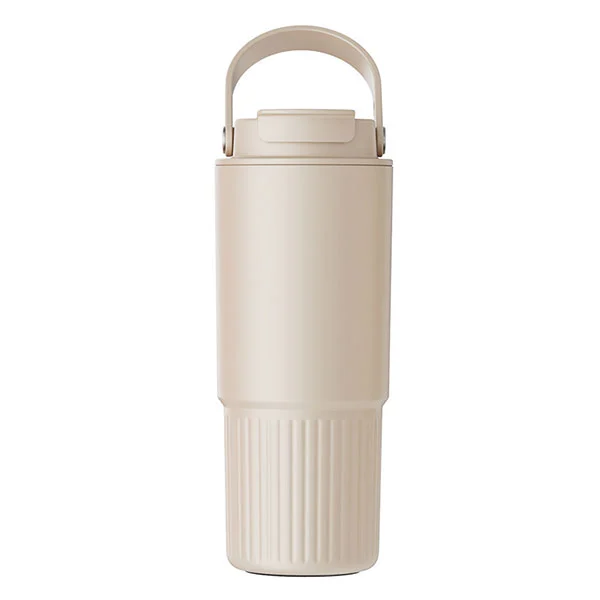
Do thermos cups also have health risks?
All of this starts with the stainless steel family of insulated cup liners. Stainless steel is not always rusting, it is actually a family of alloys, and the performance of different models varies greatly.
304 stainless steel (food grade)
Ingredients: Contains over 18% chromium (Cr) and over 8% nickel (Ni), with low manganese (Mn) content.
Characteristics: Excellent corrosion resistance, good processing performance, and internationally recognized as the preferred material for food grade. Most of the qualified tableware and kitchen utensils we come into contact with in our daily lives are made of 304 stainless steel.
Identification: Usually, "SUS304", "304" or "food grade stainless steel" are clearly marked at the bottom of the inner container or in the instruction manual.
316 stainless steel (medical grade/higher grade food grade)
Composition: Adding about 2% molybdenum (Mo) on the basis of 304.
Characteristics: Stronger corrosion resistance and high temperature resistance, especially able to resist the corrosion of chlorides (such as salt). Commonly used in medical devices, high-end insulated cups, and coastal environments.
Identification: marked as "SUS316".
201 stainless steel (industrial grade/non food grade)
Composition: In order to reduce costs, a large amount of manganese (Mn) is used to replace precious nickel (Ni), forming a "low nickel high manganese" structure.
Characteristics: Poor corrosion resistance and easy rusting. Mainly used in the industrial field, such as decorative tubes, watch cases, etc., it must not be used for containers that come into direct contact with food.
Friends who often use thermos cups know that they never just contain plain water. When we use it to pack drinks such as fruit juice, carbonated drinks, tea, milk, etc., we bury hidden dangers.
These drinks are generally acidic (such as fruit acid in juice or carbonic acid in carbonated drinks) or alkaline, and some also contain complex ingredients such as tea polyphenols.
201 stainless steel has poor corrosion resistance, and the surface of the inner liner will corrode after long-term contact with these beverages. At this point, heavy metal elements such as manganese, chromium, and nickel in the alloy will accelerate their migration and precipitation, and dissolve into the beverage.
This corrosion and precipitation process is often slow and difficult to detect with the naked eye. You may not see obvious rust, but a health threat has unknowingly developed.
Simply put, using an corrosion-resistant 201 material inner liner and holding non neutral beverages increases the risk of heavy metal precipitation.
What are the hazards of long-term use of this insulated cup?
Long term use of this unqualified insulated cup, especially in environments where it frequently comes into contact with hot drinks, acidic drinks, or high-temperature liquids, may pose multiple health hazards.
201 stainless steel has a high manganese content, and when stored in acidic beverages (such as juice or carbonated drinks) or high-temperature liquids for a long time, it will gradually corrode and precipitate manganese elements. Although manganese is an essential trace element for the human body, long-term excessive intake can cause chronic manganese poisoning, mainly damaging the central nervous system.
What are the common symptoms?
Significant decline in memory and difficulty concentrating;
Mental lethargy, low mood, and easy fatigue;
Dizziness, insomnia, and frequent dreaming;
In severe cases, symptoms similar to Parkinson's syndrome such as limb tremors and muscle stiffness may occur.
Children and the elderly are susceptible populations to manganese poisoning. The nervous system of children is in the developmental stage, and their metabolism and blood-brain barrier function are not yet fully mature; Older people have slower metabolism, decreased detoxification ability, and a more fragile nervous system.
Poor quality stainless steel may also contain excessive heavy metals such as chromium and nickel, which will slowly precipitate under corrosive conditions?
① Chromium (especially hexavalent chromium): Immoderate intake can harming the kidneys and liver, leading to skin allergies, ulcers, and long term accumulation that increases the risk of cancer.
② Nickel: This is a common allergen that can easily cause contact dermatitis in sensitive populations; Long term excessive intake can also increase the risk of organ damage.
After entering the human body through drinking water, these heavy metals mainly expedite in the kidneys and liver, increasing metabolic burden over the long term, gradually affecting organ function, and may even induce cell mutations, increasing the risk of cancer.