
- English
- lugha ya Kiswahili
- Bosanski
- Hawaiian
- Sundanese
- Español
- Português
- русский
- Français
- 日本語
- Deutsch
- tiếng Việt
- Italiano
- Nederlands
- ภาษาไทย
- Polski
- 한국어
- Svenska
- magyar
- Malay
- বাংলা ভাষার
- Dansk
- Suomi
- हिन्दी
- Pilipino
- Türkçe
- Gaeilge
- العربية
- Indonesia
- Norsk
- český
- ελληνικά
- український
- Javanese
- فارسی
- தமிழ்
- తెలుగు
- नेपाली
- Burmese
- български
- ລາວ
- Latine
- Қазақша
- Euskal
- Slovenský jazyk
- Македонски
- Lietuvos
- Eesti Keel
- Română
- Slovenski
- Srpski језик
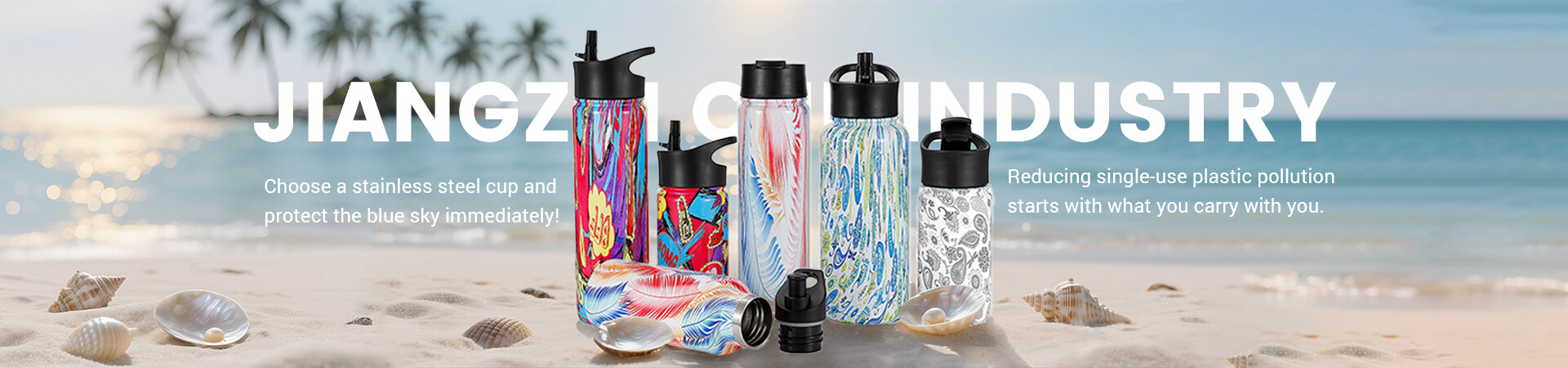
What Makes an Outdoor Bottle Essential for Adventurers?
In today’s active lifestyle, outdoor bottles have transformed from simple hydration accessories into essential tools for adventure, fitness, and everyday use. This comprehensive guide explores what outdoor bottles are, why they matter, how to choose the best one, the different materials and technologies available, and the latest market insights shaping consumer behavior. With detailed sections and clear guidance, you’ll understand how to make an informed decision and optimize your hydration strategy across all environments.
📋 Table of Contents
What Is an Outdoor Bottle?
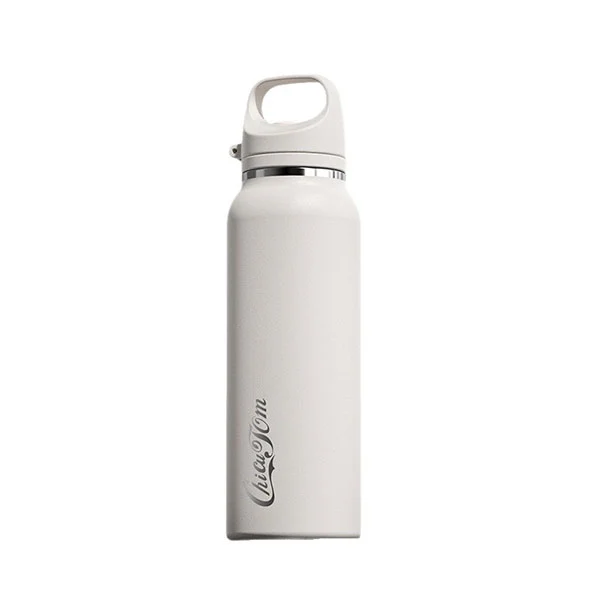
An outdoor bottle is a reusable container specifically designed for hydration during outdoor activities such as hiking, camping, cycling, and fitness training. Unlike standard bottles, outdoor bottles often incorporate features like insulation, durability, leak-proof lids, and ergonomic designs tailored to withstand the rigors of active use.
Outdoor bottles are increasingly popular due to rising environmental awareness and a shift toward sustainable products that replace single-use plastic bottles.
Why Are Outdoor Bottles Important?
Hydration is a fundamental requirement for physical performance and overall health, especially during prolonged outdoor activities. Outdoor bottles provide a safe, convenient, and eco-friendly solution to carry and consume fluids wherever you go. Their importance spans several key areas:
- Durability & Reliability: Made to endure tough environments.
- Temperature Retention: Many are insulated to keep drinks cold or hot for extended periods.
- Sustainability: Reusable bottles reduce reliance on single-use plastics, helping minimize waste.
- Performance Support: Aids optimal hydration during strenuous activities, preventing fatigue or dehydration.
Which Materials Are Best for Outdoor Bottles?
| Material | Advantages | Disadvantages |
|---|---|---|
| Stainless Steel | Durable, corrosion-resistant, great insulation | Heavier, more expensive |
| Plastic (BPA-Free) | Lightweight, affordable | Less insulation, may scratch over time |
| Glass | Taste-neutral, non-toxic | Fragile |
| Aluminum | Lightweight, good corrosion resistance | Can dent under impact |
When choosing materials, consider your activity type and whether insulation or lightweight portability is your priority.
How to Choose the Right Outdoor Bottle?
Choosing the perfect outdoor bottle depends on usage, environment, and personal preferences. Here are important aspects to evaluate:
- Capacity: From compact 500 ml for day hikes to >1 L for long trails.
- Insulation Needs: Use insulated bottles in extreme temperatures; non-insulated for casual activities.
- Leak-Proof Design: Essential for backpacks and travel gear.
- Extra Features: Carabiners, built-in filters, straw lids, integrated storage compartments add value.
What Market Trends Are Influencing Demand?
The outdoor bottle market continues to expand as consumer interest in health, wellness, and sustainability rises. Recent data shows the market for outdoor hydration bottles was valued at billions of dollars and is projected to grow significantly over the next decade driven by outdoor activities and eco-conscious consumers.
Key trends include:
- Growth in insulated and collapsible designs.
- Increasing online sales channels.
- Preference for eco-friendly materials.
❓ Frequently Asked Questions
What is an outdoor bottle?
An outdoor bottle is a reusable hydration container designed for outdoor activities, built with durability and features that support active use such as insulation and leak-proof caps.
Why should I choose an outdoor bottle over a disposable one?
Outdoor bottles reduce plastic waste, offer better reliability in adventurous settings, and often include performance-focused features like temperature retention and ergonomic designs.
Which material is best for outdoor bottles?
Stainless steel is widely considered the most versatile for outdoor use due to its durability and insulation capability, though plastics and aluminum offer lightweight alternatives.
How do I maintain my outdoor bottle?
Clean regularly with warm water and mild detergent, dry fully before storage, and avoid abrasive cleaners that can compromise materials or insulation layers.
Are insulated outdoor bottles worth the cost?
Yes, especially for environments with extreme temperatures, as they keep drinks cold or hot for hours and enhance your outdoor experience.